Key Takeaways
- Vintage pilot watches combine historical aviation significance with iconic design elements like oversized crowns, high-contrast dials, and exceptional legibility
- Heritage brands including IWC, Breitling, and Zenith have maintained authentic aviation connections while evolving their timepieces for modern wearers
- The Type B-Uhr WWII German pilot watch design continues to influence modern watchmaking with its distinctive dial layout and functionality
- Condor’s aviation-inspired watch straps perfectly complement vintage pilot watches, enhancing their authentic military aesthetic
- Today’s collectors can find exceptional vintage-inspired pilot watches at various price points, from luxury heritage pieces to accessible alternatives under $1,000
The distinctive profile of a pilot watch is unmistakable from across a room. Those oversized cases, large luminous numerals, and prominent crowns aren’t just design choices—they’re functional features born from aviation’s demanding requirements. While modern flight decks bristle with digital instruments, the romance of mechanical pilot watches endures, capturing the adventurous spirit of early flight in a wearable timepiece.
Why Vintage Pilot Watches Still Rule the Skies
Vintage pilot watches represent far more than just timekeeping tools—they embody an era when airborne navigation depended on precise mechanical instruments. Their oversized dimensions, exceptional legibility, and specialized functions were once critical for aviators navigating the wild blue yonder. Today, these watches continue to captivate enthusiasts with their perfect blend of historical significance, purpose-built design, and rugged charm. Condor’s specialized aviation-inspired watch straps perfectly complement these timepieces, enhancing their authentic military aesthetic while maintaining the functionality pilots once relied upon.
The enduring appeal lies in their honest approach to design—every element serves a purpose. From the high-contrast dials that ensure readability in varying light conditions to the oversized crowns designed for operation while wearing flight gloves, these watches prioritize function while achieving timeless style. This no-nonsense approach resonates with watch enthusiasts seeking authenticity in an increasingly digital world.
The Birth of Aviation Timepieces: From Santos to Luftwaffe
The story of pilot watches begins with a friendship between two pioneers—Brazilian aviator Alberto Santos-Dumont and watchmaker Louis Cartier. Frustrated by the impracticality of pocket watches during flight, Santos-Dumont requested a solution, leading Cartier to create what many consider the first purpose-built pilot’s wristwatch in 1904. The Cartier Santos featured a square case and exposed screws, establishing design cues that would influence aviator watches for decades to come.
The First Pilot Watch: Cartier Santos (1904)
The Cartier Santos revolutionized timekeeping for early aviators by allowing pilots to check the time without removing their hands from flight controls. Its square case, bold numerals, and distinctive bezel created an instantly recognizable profile that balanced readability with sophistication. Though quite different from later utilitarian military designs, the Santos established the concept of wristwatches as practical tools for aviators rather than mere accessories. This timepiece bridged the worlds of luxury and functionality, setting the stage for the specialized pilot watches that would follow in subsequent decades.
Military Influence: B-Uhr Watches of WWII
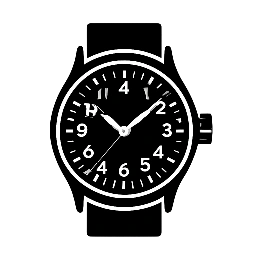
World War II dramatically accelerated the development of dedicated pilot watches with the German Luftwaffe commissioning the now-legendary Beobachtungsuhr (B-Uhr) observation watches. Manufactured by brands including A. Lange & Söhne, Laco, Stowa, Wempe, and IWC, these massive 55mm timepieces featured distinctive black dials, luminous hands, and oversized onion crowns that pilots could manipulate while wearing gloves. The B-Uhr watches came in two main dial configurations: Type A (with numerals from 1 to 11) and Type B (with an inner hour track and prominent minute numerals from 5 to 55).
These military-spec watches were actually property of the German Air Ministry, issued to navigators and pilots rather than privately owned. Their exacting standards established many design elements we now associate with classic pilot watches: exceptional legibility, anti-magnetic cases, and precise movements capable of maintaining accuracy in varying conditions. Though initially tools of war, these watches have transcended their military origins to become enduring icons of horological design.
Post-War Evolution and Design Standardization
Following WWII, pilot watch design evolved to meet changing aviation needs while retaining core functionality. Brands like Breitling introduced circular slide rules for flight calculations, while military contracts established standardized specifications for pilot timepieces. The iconic “Flieger” (German for “pilot”) aesthetic became increasingly standardized, with brands adopting similar design languages featuring black dials, white indices, and triangle markers at 12 o’clock. The 1950s saw the emergence of the GMT function specifically for pilots, with watches like the Rolex GMT-Master allowing simultaneous tracking of multiple time zones—crucial for navigating international flight paths.
By the 1960s and 70s, automatic movements had largely replaced manual-winding calibers in pilot watches, while case sizes somewhat decreased from their massive wartime dimensions. The introduction of chronograph complications further enhanced functionality, allowing pilots to time intervals with precision. Despite these evolutions, the core design principles remained remarkably consistent, cementing the pilot watch aesthetic that continues to influence modern timepieces.
7 Iconic Heritage Brands That Defined Pilot Watch History
The landscape of vintage pilot watches is dominated by a handful of manufacturers whose contributions have shaped the category. These heritage brands created timepieces that not only served critical aviation functions but have since become coveted collectibles. Their designs continue to influence modern watchmaking, with many of their vintage models serving as templates for contemporary reissues.
Beyond mere aesthetics, these brands earned their reputations through rigorous testing, military contracts, and real-world use by aviation professionals. The watches they produced weren’t fashion accessories but essential tools that pilots relied upon during critical missions. This authentic heritage creates an emotional connection that resonates with collectors decades later.
IWC: From the Mark XI to Big Pilot
IWC’s aviation legacy began in earnest with the legendary Mark XI, developed in 1948 for the British Royal Air Force. This no-nonsense timepiece featured an antimagnetic case, highly legible dial, and chronometer-grade movement capable of exceptional accuracy. The Mark series evolved through numerous iterations while maintaining its essential pilot watch DNA. The modern Big Pilot, with its distinctive 46mm case and seven-day power reserve, pays homage to the oversized B-Uhr observation watches IWC produced during WWII while incorporating contemporary watchmaking technology.
What separates IWC from many competitors is their unwavering commitment to technical innovation within the pilot watch category. Their development of features like soft-iron inner cases for magnetic protection and specially regulated movements demonstrates a functional approach to watchmaking that prioritizes reliability in aviation conditions. The brand’s Pilot’s Watch Chronograph and Spitfire collections further showcase their versatility within the category.
Breitling: Navigation Tools on Your Wrist
Breitling revolutionized pilot watches with the introduction of the Navitimer in 1952, featuring a circular slide rule bezel that allowed pilots to perform crucial flight calculations without additional equipment. This innovative approach transformed the wristwatch from simple timekeeper to navigation instrument. The distinctive busy dial with its logarithmic scales became instantly recognizable, establishing Breitling as a true aviator’s brand.
Beyond the Navitimer, Breitling produced numerous significant pilot watches, including the Co-Pilot chronograph and the Emergency with its built-in distress beacon. Their relationship with aircraft manufacturers and professional pilot organizations cemented their authentic aviation credentials. Modern Breitling continues this tradition while balancing heritage design with contemporary refinements in models like the Aviator 8 and the updated Navitimer collection.
Zenith: The Montre d’Aeronef Legacy
Zenith’s aviation heritage traces back to Louis Blériot’s historic 1909 cross-Channel flight, during which he wore a Zenith timepiece. The brand’s Type 20 Montre d’Aeronef (aircraft clock) became standard equipment in many French aircraft during the mid-20th century. The modern Pilot collection draws direct inspiration from these historical instruments, featuring distinctive oversized cases, large onion crowns, and cathedral hands. For more insights into vintage pilot watches, explore this detailed guide.
What distinguishes Zenith’s approach is their commitment to historical authenticity while utilizing their renowned in-house movements, particularly the El Primero chronograph caliber. Their pilot watches balance vintage aesthetics with modern reliability, creating timepieces that honor their aviation heritage without sacrificing contemporary performance standards.
Bell & Ross: Military-Inspired Functionality
Though younger than some heritage manufacturers, Bell & Ross has established itself as a significant force in pilot watches by drawing inspiration from aircraft instrumentation. Their iconic square-cased BR 01 and BR 03 collections directly reference cockpit gauges, creating a distinctive aesthetic that’s immediately recognizable. The brand’s collaboration with military units and aviation professionals ensures their designs maintain functional relevance despite their bold styling. For those interested in automatic pilot watches, the Aachen 42 MB collection offers a glimpse into classic designs with modern functionality.
Bell & Ross combines vintage inspiration with contemporary interpretations, offering everything from straightforward three-hand models to complex chronographs and GMT functions. Their Vintage collection specifically captures the essence of mid-20th century pilot watches while incorporating modern sizing and movements.
Laco: Authentic German Flieger DNA
As one of the original five manufacturers of B-Uhr watches for the German Luftwaffe, Laco possesses unimpeachable historical credentials in the pilot watch category. Their modern Flieger collection stays remarkably faithful to the original B-Uhr designs, with classic Type A and Type B dial configurations available in various sizes. Unlike some brands that merely reference vintage aesthetics, Laco’s models maintain an almost unbroken lineage to their wartime predecessors.
What makes Laco particularly noteworthy is their commitment to offering authentic pilot watch designs at accessible price points. Their attention to historical details—including correct hand shapes, dial markings, and case proportions—satisfies purists while their range of sizes accommodates modern preferences. For those seeking the most direct connection to WWII-era observation watches, Laco represents perhaps the most authentic option available today.
Must-Have Features of an Authentic Vintage Pilot Watch
True pilot watches are defined by specific design elements that evolved to meet the practical needs of aviators. These features weren’t aesthetic choices but functional requirements that emerged from the challenging conditions of early flight. Understanding these elements helps collectors distinguish authentic pilot watches from fashion pieces merely inspired by aviation themes.
The most compelling vintage pilot watches incorporate these features organically, with each design choice serving a specific purpose. This function-driven approach creates timepieces with genuine character and historical significance beyond mere styling.
Oversized Crowns and Cases (And Why They Matter)
The distinctively large crowns found on pilot watches served a crucial practical purpose—they allowed pilots to operate their timepieces while wearing thick flight gloves in unheated cockpits. These fluted or “onion” crowns provided necessary grip for winding and setting watches during flight operations. Similarly, the larger case dimensions (often 40-55mm) weren’t just stylistic choices but necessary to accommodate large, legible dials and robust movements. Modern interpretations maintain these proportions not merely as design elements but as connections to their functional heritage, though many manufacturers now offer more wearable sizes while preserving the essential aesthetic.
High-Contrast Dials with Superior Legibility
The hallmark of any authentic pilot watch is its exceptional legibility in all conditions. Vintage designs feature high-contrast color schemes—typically black dials with white or luminous markings—creating maximum readability even in poor lighting. Large Arabic numerals, often in a distinctive sans-serif font, allow for quick and accurate time-reading at a glance. Many classic designs feature a triangle marker at 12 o’clock (sometimes flanked by dots) for instant orientation when checking the time. For an example of such designs, you can explore the Aachen 42 MB model.
The hands on traditional pilot watches are equally purposeful, with clearly differentiated hour and minute hands to prevent confusion. Generous application of luminous material (initially radium, later tritium, and now Super-LumiNova) ensures visibility in low-light conditions. This emphasis on legibility remains perhaps the most defining characteristic of the genre, separating true pilot watches from fashion-oriented homages.
Navigation Tools: Slide Rules and Tachymeters
Beyond basic timekeeping, many vintage pilot watches incorporate specialized tools for aviation calculations. The most famous example is Breitling’s circular slide rule, which allows pilots to calculate fuel consumption, airspeed, distance, and various conversion factors. Other common features include tachymeter scales for speed calculations and GMT functionality for tracking multiple time zones during international flights.
These computational tools transformed watches from simple timekeepers into genuine flight instruments. While digital avionics have made such analog calculations largely obsolete, these features remain cherished connections to aviation history and represent the problem-solving ingenuity of early watchmakers.
Modern Brands Mastering the Vintage Pilot Aesthetic
Today’s watch market offers numerous options for enthusiasts seeking vintage pilot watch aesthetics combined with modern reliability. Contemporary brands have embraced the enduring appeal of classic aviation timepieces, creating watches that honor historical designs while incorporating current watchmaking advances. These manufacturers range from established luxury houses to specialized boutique brands, each bringing their unique perspective to the pilot watch tradition.
Longines: The Heritage Collection
Longines has masterfully mined their extensive archives to create the Heritage collection, featuring several outstanding pilot-inspired pieces. The Avigation BigEye chronograph, based on a 1930s design, combines vintage aesthetics with modern proportions and a reliable column-wheel chronograph movement. Their Spirit collection, while not direct reissues, captures the essence of early aviation timepieces with clean dials, applied Arabic numerals, and diamond-shaped indexes that recall golden-age flight instruments.
What distinguishes Longines’ approach is their balance of historical accuracy with contemporary wearability. Their pieces honor the past without being slaves to it, creating watches that feel relevant today while maintaining meaningful connections to aviation heritage.
Hamilton: Khaki Aviation Series
Hamilton’s aviation history dates back to their role as supplier to the U.S. military during both World Wars. Their modern Khaki Aviation collection spans a wide range of styles, from the vintage-inspired Pilot Pioneer to the more contemporary X-Wind chronograph. The Khaki Pilot Day Date gained unexpected popularity after appearing in Christopher Nolan’s film “Interstellar,” showcasing the enduring appeal of classic pilot watch design.
Hamilton excels at offering mechanical pilot watches at accessible price points, making authentic aviation designs available to enthusiasts without luxury budgets. Their pieces blend historical elements with modern proportions and reliable movements, creating daily-wearable watches with genuine heritage connections.
Stowa: Authentic Flieger Reproductions
As one of the original manufacturers of B-Uhr watches during WWII, Stowa maintains perhaps the most direct lineage to historical pilot watches. Their Flieger collection features painstakingly accurate recreations of both Type A and Type B observation watch dials, available in various sizes to suit modern preferences. Unlike many competitors, Stowa maintains extremely faithful reproductions, down to correct hand shapes, typefaces, and proportions.
What sets Stowa apart is their commitment to historical authenticity combined with excellent value. Their watches offer Swiss and German-made movements, hand-finished cases, and genuine heritage at prices significantly below many luxury brands. For purists seeking the most direct connection to original flieger watches, Stowa represents an outstanding option.
Sinn: German Precision with Historical Accuracy
Frankfurt-based Sinn combines traditional pilot watch aesthetics with advanced technical innovation. Their 103 St Sa chronograph has become a modern classic, while models like the 856 and 857 incorporate technologies like temperature resistance, magnetic field protection, and humidity-controlling capsules. Sinn’s pilot watches honor historical design while adding meaningful technical improvements rather than mere cosmetic updates.
Sinn’s engineering-focused approach creates exceptionally robust timepieces suitable for professional use while maintaining connections to aviation heritage. Their watches represent perhaps the most evolved form of pilot timepieces—faithful to tradition in appearance while incorporating genuine advances in durability and functionality.
Budget-Friendly Options Under $1,000
The vintage pilot watch aesthetic is increasingly available at accessible price points, with several manufacturers offering excellent value propositions. These watches may lack the heritage pedigree of historic brands but deliver authentic styling and reliable performance at prices suitable for beginning collectors or those seeking quality daily wearers.
Steinhart Nav B-Uhr Series
German brand Steinhart offers remarkably faithful B-Uhr reproductions at fraction of the cost of luxury alternatives. Their Nav.B-Uhr models feature Swiss automatic movements, sapphire crystals, and both 44mm and 47mm case options with historically accurate proportions. Available in both Type A and Type B dial configurations, these watches deliver authentic flieger aesthetics at prices typically ranging from $400-600.
While lacking the historical pedigree of original manufacturers, Steinhart’s attention to detail and quality construction have earned them respect among enthusiasts seeking affordable entry points into vintage pilot watch collecting. Their pieces represent perhaps the most accessible way to experience traditional B-Uhr design without compromising on basic quality standards.
Seiko and Citizen Pilot Models
Japanese manufacturers Seiko and Citizen offer compelling pilot-inspired models that blend value with reliable in-house movements. Seiko’s 5 Sports collection includes several aviation-themed models with classic pilot watch elements at remarkably accessible prices. Citizen’s Promaster Nighthawk series combines pilot watch aesthetics with useful functions like slide rule calculations and radio-controlled timekeeping, continuing the practical tool watch tradition in a modern context.
What separates these Japanese options from simple fashion watches is their mechanical integrity and genuine horological value. Both Seiko and Citizen bring decades of watchmaking expertise to their pilot models, creating timepieces with substance beyond mere styling.
Microbrands Worth Your Attention
The microbrand landscape offers several noteworthy pilot watch options from specialized manufacturers focused on specific niches. Brands like Laco (producing authentic German fliegers), Archimede (offering excellent value in Swiss-powered pilot watches), and Maratac (creating minimalist pilot designs with quality components) provide distinctive alternatives to mainstream offerings. These smaller companies often deliver exceptional value by minimizing marketing costs and focusing on direct-to-consumer sales models.
How to Style Your Vintage Pilot Watch
Despite their technical origins, vintage pilot watches are remarkably versatile from a style perspective. Their clean designs and purposeful aesthetics allow them to transition seamlessly between casual and more formal contexts. Understanding how to pair these timepieces with appropriate straps and attire maximizes their versatility in a modern wardrobe.
The Perfect Strap Pairings
The strap choice dramatically impacts a pilot watch’s character and wearability. Traditional leather pilot straps—typically in brown or black with contrast stitching—enhance the vintage military aesthetic while providing comfortable daily wear. Condor’s specialized aviation straps are crafted to complement these timepieces perfectly, with design elements that reference historical military issue pieces. For a more casual look, NATO straps in subdued colors offer practical durability while maintaining the tool watch character.
More unexpected pairings can create interesting contrasts—a distressed leather strap adds rugged charm to dressier pilot chronographs, while a canvas strap emphasizes the military heritage of B-Uhr style watches. When selecting a strap, consider both the watch’s design period and your personal style context to create a cohesive overall presentation.
Dressing Up vs. Casual Wear
While pilot watches have utilitarian origins, many designs transition surprisingly well to business casual environments. Sleeker chronograph models from brands like IWC and Breitling can complement tailored attire when paired with quality leather straps. The key is balance—these inherently tool-oriented timepieces work best with clothing that incorporates similar rugged refinement, like textured blazers or oxford cloth button-downs.
For casual settings, pilot watches truly excel, complementing everything from jeans and t-shirts to field jackets and chinos. Their functional design language creates natural harmony with practical, well-made casual clothing. The versatility of vintage-inspired pilot watches makes them excellent candidates for “one watch collections” that can adapt to various style contexts.
The Enduring Appeal of Aviation Timepieces
The continued popularity of vintage pilot watches speaks to their perfect balance of form and function. Unlike many watch categories that prioritize decoration or status signaling, pilot timepieces remain true to their utilitarian origins—every design element serves a purpose. This honesty of design creates an enduring appeal that transcends fashion trends.
Beyond their aesthetic qualities, these watches connect wearers to a romantic era of aviation history. They evoke a time when flight was still dangerous and adventurous, requiring skill, courage, and reliable instruments. By wearing a timepiece connected to this heritage, enthusiasts participate in this historical narrative, carrying forward traditions of precision engineering and purposeful design.
Frequently Asked Questions
The world of vintage pilot watches includes many specialized terms and concepts that may be unfamiliar to new enthusiasts. These frequently asked questions address common points of confusion and provide guidance for collectors entering this fascinating category.
Whether you’re considering your first pilot watch purchase or expanding an existing collection, understanding these fundamentals will help you make more informed decisions and appreciate the historical context of these timepieces.
What makes a watch specifically a “pilot watch”?
A true pilot watch typically features design elements that evolved to meet aviators’ needs: exceptional legibility (high-contrast dial with large numerals), oversized crowns (for operation while wearing gloves), anti-magnetic protection (for cockpit equipment), and specialized timing or navigation functions. While modern interpretations may vary, authentic pilot watches prioritize functionality and readability above decorative elements.
Historical context also matters—watches designed specifically for aviation use or issued to military air forces carry stronger pilot watch credentials than those merely adopting the aesthetic. The most respected examples combine purpose-built design with genuine connections to aviation history.
Are vintage pilot watches still functional for actual pilots?
While modern pilots rely primarily on digital instrumentation, many vintage-style pilot watches remain practically functional in aviation contexts. Features like chronographs for timing intervals, GMT functions for tracking multiple time zones, and high-contrast dials for quick time checks still serve useful purposes. Professional pilots often appreciate these watches as reliable backups to electronic systems.
Many professional pilots continue to wear aviation watches as connections to flying traditions and practical tools. The fundamental design principles that made these timepieces essential in early aviation—legibility, reliability, and functional simplicity—remain relevant even in modern cockpits.
For recreational pilots especially, traditional pilot watches offer meaningful functionality while connecting them to aviation heritage. The emphasis on readability and robust construction makes these watches particularly well-suited to the cockpit environment, such as the Aachen 42 MB.
Pilot’s Perspective: “I fly commercially with a full glass cockpit, but I still wear my IWC Mark XVIII every day. There’s something reassuring about having a mechanical timepiece that works independently of aircraft systems. Plus, the legibility is genuinely useful during pre-flight checks when I’m moving between different lighting conditions. It’s not just nostalgia—it’s a practical tool that complements modern avionics.”
What’s the difference between a pilot watch and a field watch?
While pilot and field watches share military heritage and emphasis on legibility, they evolved for different operational environments. Pilot watches typically feature larger cases (42-55mm), aviation-specific functions (slide rules, chronographs), and distinctive design elements like triangle markers at 12 o’clock. Field watches tend toward more modest sizing (36-40mm), simpler functionality, and design elements optimized for infantry use like 24-hour markings and sometimes more subdued luminescence to prevent nighttime visibility to enemies.
How should I care for my vintage-style pilot watch?
Modern pilot watches with vintage aesthetics require standard mechanical watch maintenance, including regular servicing every 5-7 years, protection from strong magnetic fields, and appropriate water resistance precautions. For authentic vintage pieces, additional care is necessary—avoid water exposure even with purportedly water-resistant models, keep service records with the watch, and use period-appropriate straps to preserve historical integrity. Always store pilot watches dial-up to minimize positional timing variations, particularly important for chronograph models with their more complex movements.
Are pilot watches suitable for smaller wrists?
While traditional pilot watches were quite large (often 45mm+), many modern manufacturers offer scaled-down versions that maintain authentic aesthetics on smaller wrists. Brands like IWC, Stowa, and Hamilton produce pilot models in the 36-40mm range that preserve the essential design language while offering more comfortable proportions. The key is finding models that maintain appropriate proportions rather than simply shrinking larger designs—look for watches where the dial elements, crown size, and case thickness have been thoughtfully rescaled.
For those with smaller wrists drawn to vintage pilot aesthetics, chronograph models often wear more comfortably than basic three-hand designs due to their more complex dials creating visual interest that balances larger dimensions. Strap choice also significantly impacts wearability—thinner, more flexible straps help larger watches conform better to smaller wrists.
Ultimately, the right pilot watch is one that feels comfortable and appropriate to the wearer, regardless of historical sizing conventions. Many of today’s most respected manufacturers recognize the importance of offering various size options to accommodate diverse preferences and physiques.
Pilot watches with vintage designs offer a compelling blend of historical significance, purposeful aesthetics, and practical functionality that few other watch categories can match. Whether you’re drawn to the authentic military heritage of B-Uhr designs or the navigational capabilities of mid-century chronographs, these timepieces connect wearers to the golden age of aviation. Condor offers premium watch straps specifically designed to complement these distinctive timepieces, enhancing both their historical authenticity and everyday wearability.
Leave a Reply